




Common Signs of a Clogged In-Cab Air Filter You Shouldn't Ignore
Release time:
2024-06-10
When it comes to maintaining your vehicle, the in-cab air filter is often overlooked. However, this small component plays a crucial role in ensuring the air inside your vehicle is clean and free from pollutants. In this article, we will discuss the common signs of a clogged in-cab air filter that you should never ignore.
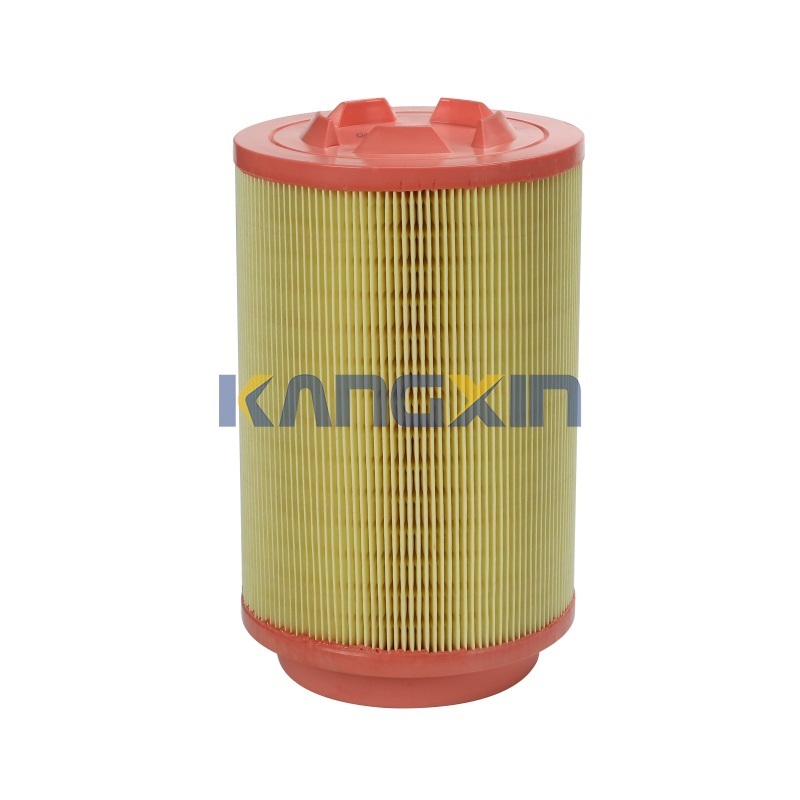
When it comes to maintaining your vehicle, the in-cab air filter is often overlooked. However, this small component plays a crucial role in ensuring the air inside your vehicle is clean and free from pollutants. In this article, we will discuss the common signs of a clogged in-cab air filter that you should never ignore.
What is an In-Cab Air Filter?
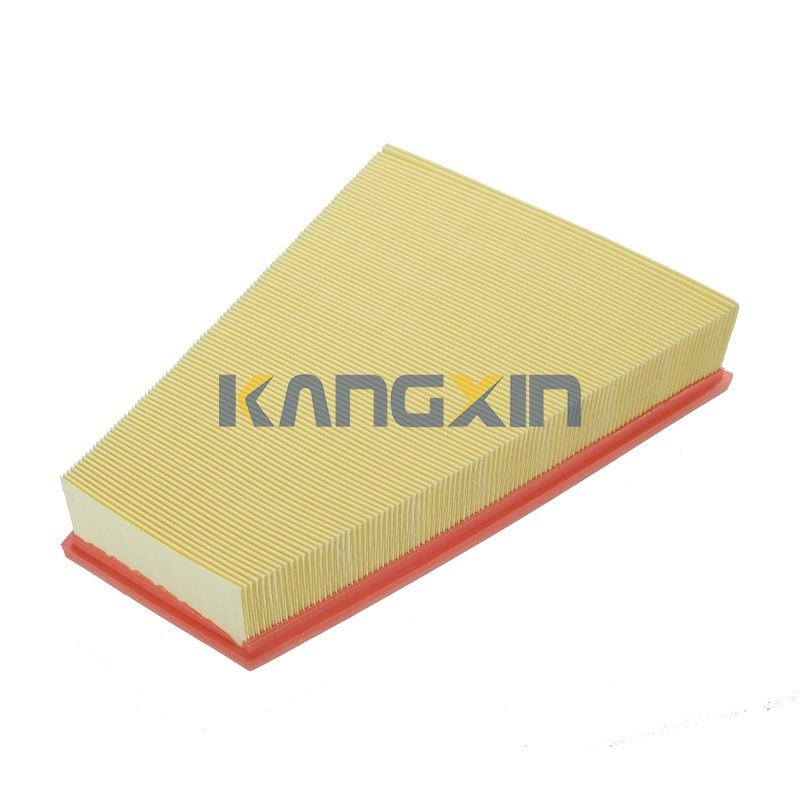
Before we delve into the signs of a clogged in-cab air filter, let's first understand what this component does. An in-cab air filter is responsible for filtering the air that enters the cabin of your vehicle. It helps trap dust, pollen, and other particles, ensuring that the air you breathe while driving is clean and healthy.
Signs of a Clogged In-Cab Air Filter
1. Reduced Airflow: One of the first signs of a clogged in-cab air filter is reduced airflow from the vents. If you notice that the air coming out of the vents is weak or not as strong as usual, it could indicate a clogged filter.
2. Strange Odors: A musty or moldy smell inside your vehicle could be a sign of a clogged in-cab air filter. As the filter becomes clogged with dirt and debris, it can harbor moisture and lead to unpleasant odors.
3. Allergy Symptoms: If you or your passengers start experiencing allergy-like symptoms such as sneezing, coughing, or itchy eyes while inside the vehicle, it could be due to a clogged in-cab air filter. The filter may not be effectively removing allergens from the air.
4. Foggy Windows: A clogged in-cab air filter can also lead to foggy windows inside the vehicle. The lack of proper airflow can cause moisture to build up on the windows, obstructing your view while driving.
5. Decreased HVAC Performance: If you notice that your vehicle's heating, ventilation, and air conditioning (HVAC) system is not performing as efficiently as before, a clogged in-cab air filter could be the culprit. The filter may be restricting airflow and affecting the overall performance of the HVAC system.
FAQs:
1. How often should I replace my in-cab air filter?
It is recommended to replace your in-cab air filter every 15,000 to 30,000 miles, depending on driving conditions and manufacturer recommendations.
2. Can a clogged in-cab air filter affect fuel efficiency?
Yes, a clogged in-cab air filter can impact fuel efficiency as it can make the engine work harder to maintain airflow, leading to increased fuel consumption.
3. Can I clean my in-cab air filter instead of replacing it?
While some in-cab air filters are washable and reusable, it is generally recommended to replace them to ensure optimal performance.
4. How can I prevent my in-cab air filter from getting clogged?
Regularly replacing your in-cab air filter and keeping the interior of your vehicle clean can help prevent the filter from getting clogged.
5. What are the benefits of having a clean in-cab air filter?
A clean in-cab air filter can improve air quality inside the vehicle, reduce allergens, and maintain the performance of the HVAC system.
Conclusion:
In conclusion, it is essential not to ignore the signs of a clogged in-cab air filter as it can impact the air quality inside your vehicle and affect your overall driving experience. By staying vigilant and addressing any warning signals promptly, you can ensure that your vehicle's in-cab air filter remains clean and functional. Stay informed, stay safe, and keep your vehicle running smoothly.
More information
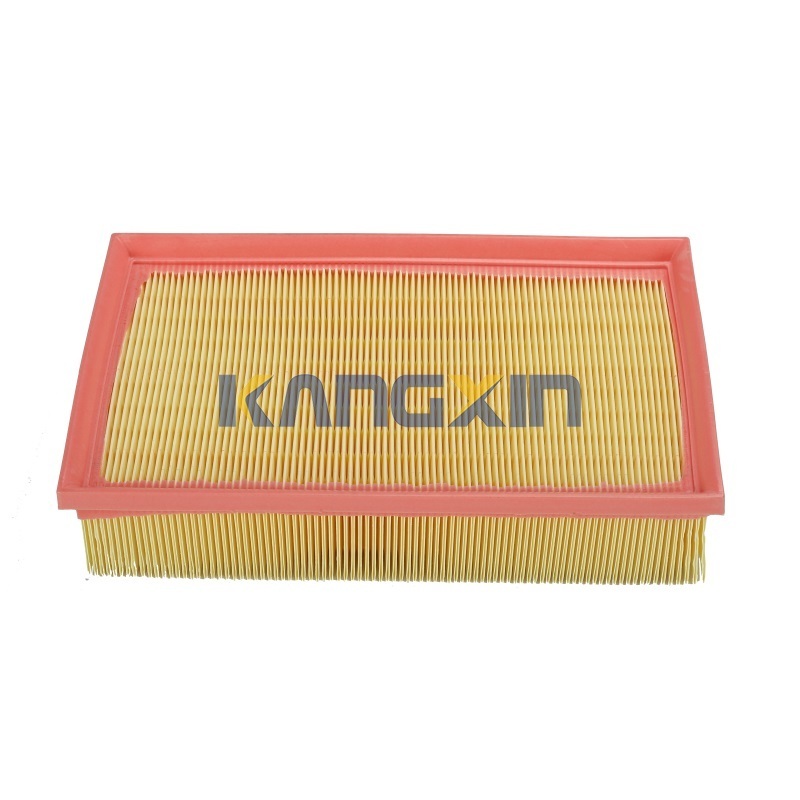
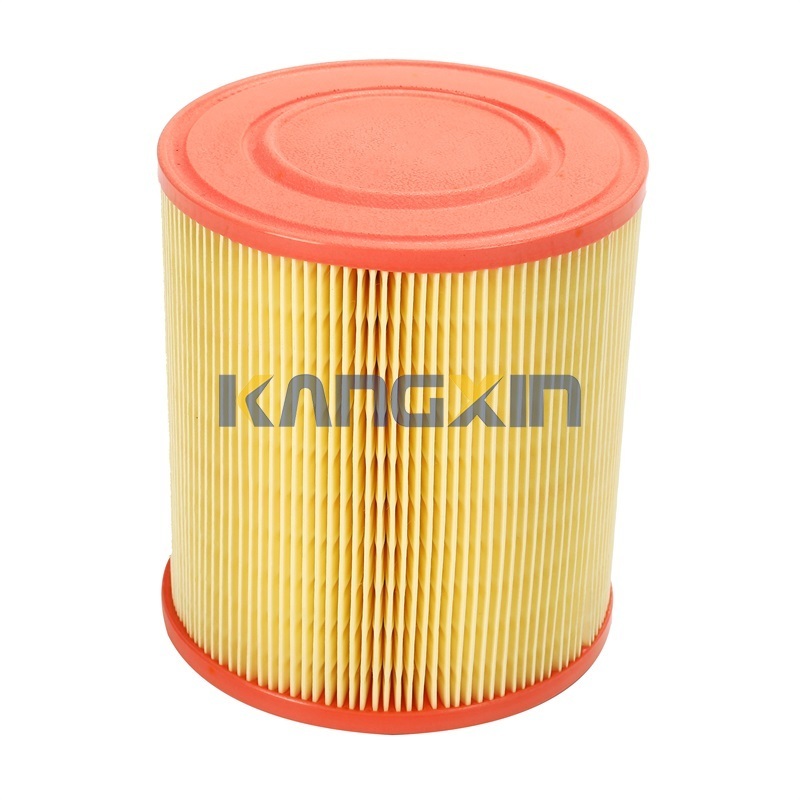
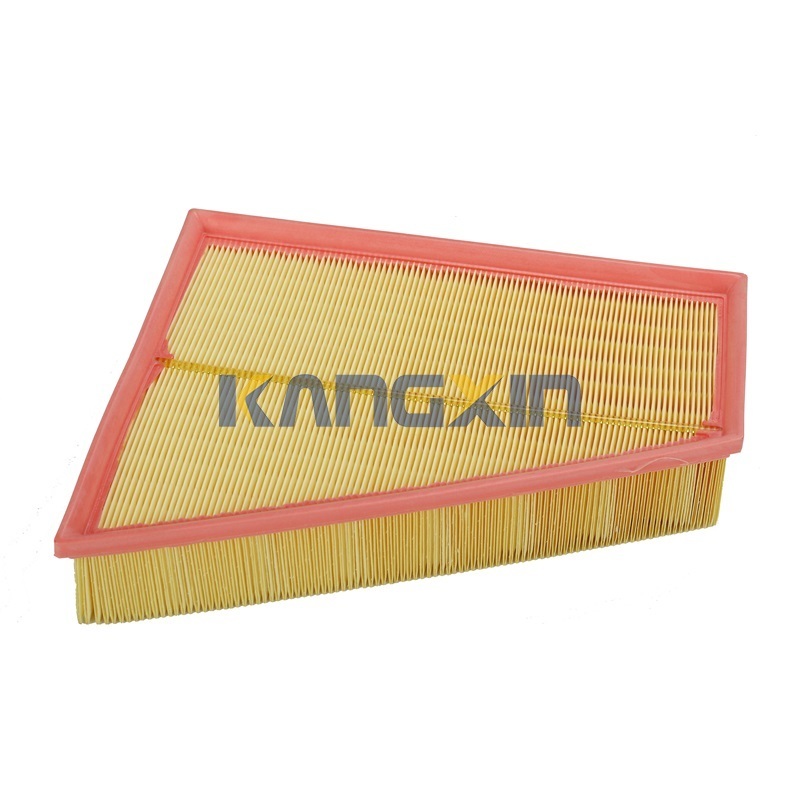

Contact
Inquiry