




The Importance of Air Conditioner Cabin Filters in Industrial Equipment
Release time:
2024-06-05
Air conditioner cabin filters play a vital role in the industrial equipment industry, particularly in the realm of filtration devices. These filters are designed to trap dust, pollen, mold spores, and other airborne particles, preventing them from circulating through the air conditioner system and entering the cabin. By doing so, they help maintain clean and healthy air quality inside the equipmen
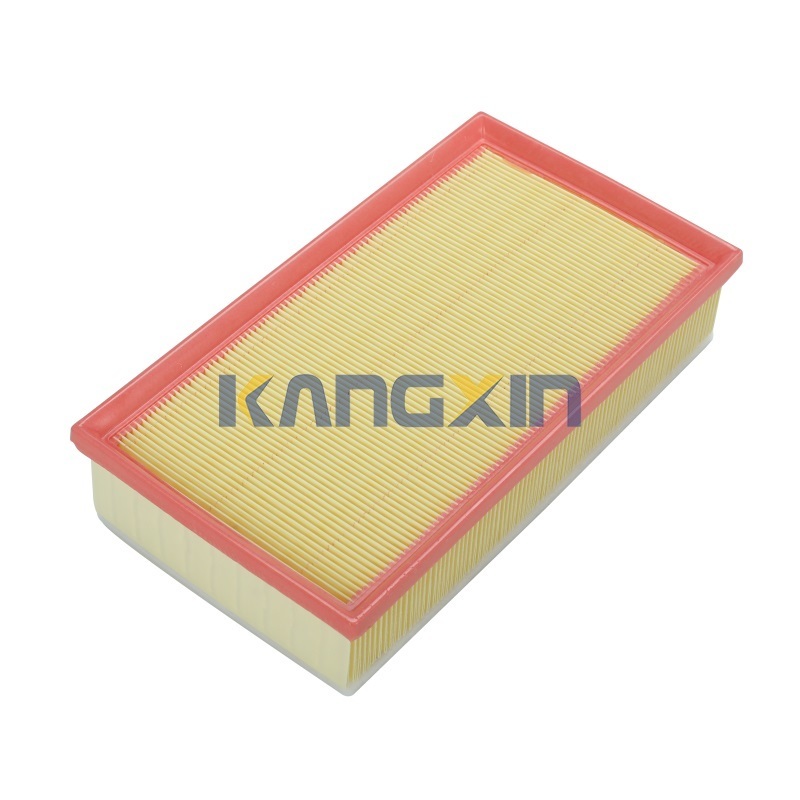
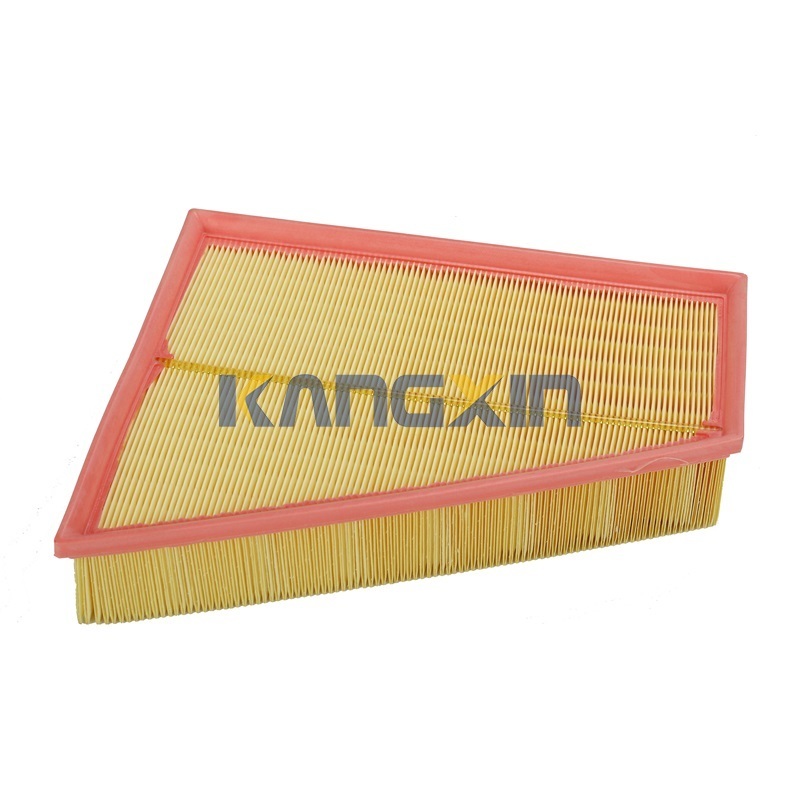
Air conditioner cabin filters play a vital role in the industrial equipment industry, particularly in the realm of filtration devices. These filters are designed to trap dust, pollen, mold spores, and other airborne particles, preventing them from circulating through the air conditioner system and entering the cabin. By doing so, they help maintain clean and healthy air quality inside the equipment, which is crucial for the well-being of operators and the longevity of the machinery.
Regular maintenance and replacement of air conditioner cabin filters are essential to ensure optimal performance and efficiency. Over time, filters can become clogged with debris, reducing airflow and putting strain on the system. This can lead to decreased cooling capacity, increased energy consumption, and potential damage to the equipment. By keeping the filters clean and replacing them as needed, operators can prolong the lifespan of their industrial equipment and maintain a comfortable working environment.
In addition to improving air quality and protecting equipment, air conditioner cabin filters also play a role in energy efficiency. Clean filters allow for better airflow, which can help the system operate more efficiently and reduce energy consumption. By investing in high-quality filters and following a regular maintenance schedule, operators can save money on energy costs and reduce their environmental impact.
Overall, air conditioner cabin filters are a crucial component of industrial equipment, providing benefits such as improved air quality, equipment protection, and energy efficiency. By understanding the importance of these filters and taking proactive measures to maintain them, operators can ensure the optimal performance and longevity of their machinery.
More information

Contact
Inquiry