




Revitalize Your Ride: The Ultimate Guide to Carbon Cabin Air Filters
Release time:
2024-05-09
When it comes to keeping your vehicle's interior clean and fresh, a carbon cabin air filter is a must-have accessory. Not only does it help to improve the air quality inside your car, but it also plays a crucial role in preventing dust, pollen, and other contaminants from entering the cabin. In this guide, we will delve into the world of carbon cabin air filters and provide you with all the information you need to revitalize your ride.
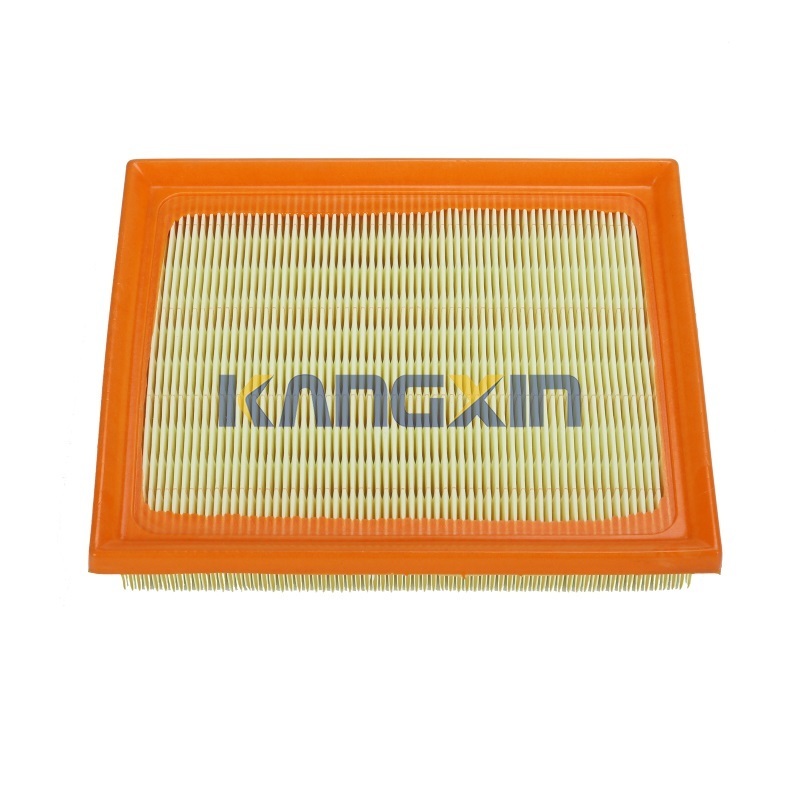
When it comes to keeping your vehicle's interior clean and fresh, a carbon cabin air filter is a must-have accessory. Not only does it help to improve the air quality inside your car, but it also plays a crucial role in preventing dust, pollen, and other contaminants from entering the cabin. In this guide, we will delve into the world of carbon cabin air filters and provide you with all the information you need to revitalize your ride.
What is a Carbon Cabin Air Filter?
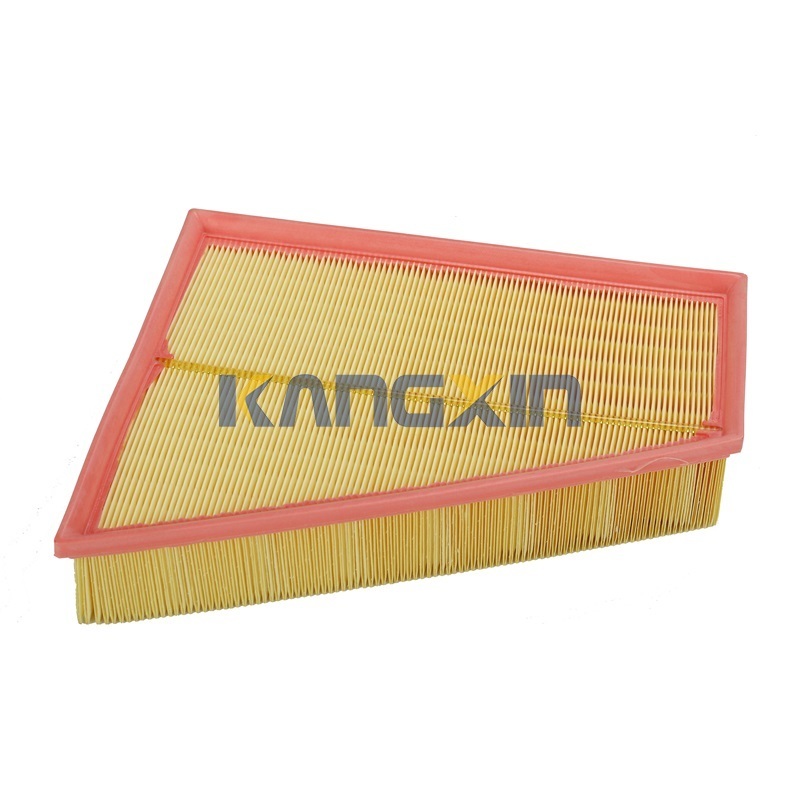
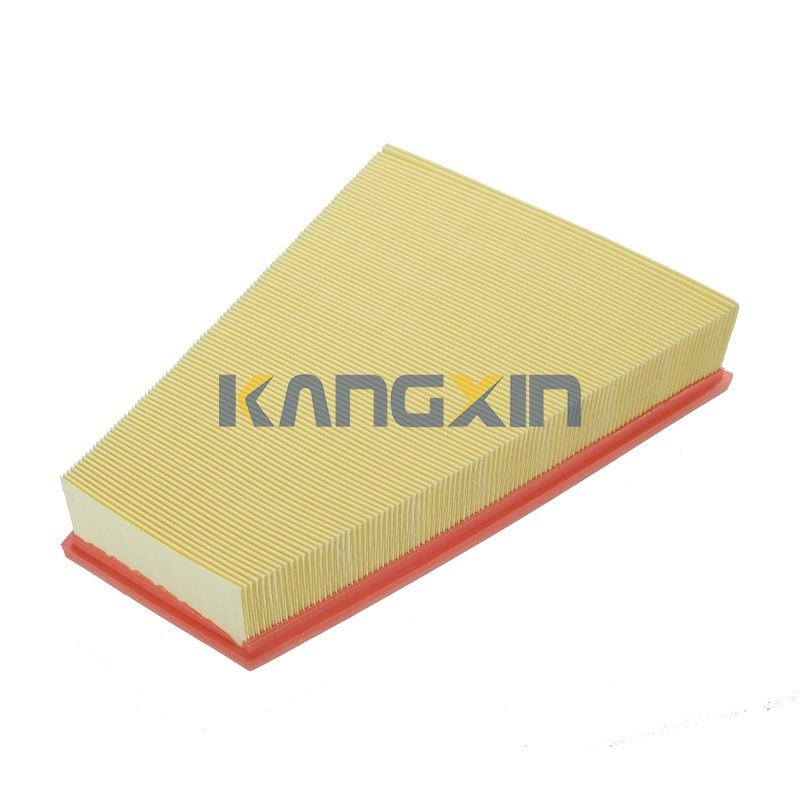
A carbon cabin air filter is a type of air filter that is designed to trap and neutralize odors and harmful gases before they enter the cabin of your vehicle. Unlike traditional cabin air filters, which only capture particles like dust and pollen, carbon cabin air filters are equipped with activated carbon to absorb and eliminate unwanted odors and pollutants.
Benefits of Using a Carbon Cabin Air Filter
- Improved air quality: By trapping odors and pollutants, carbon cabin air filters help to create a cleaner and more pleasant environment inside your vehicle.
- Allergy relief: Carbon cabin air filters can help to reduce the presence of allergens like pollen and dust, making it easier for allergy sufferers to breathe comfortably.
- Extended HVAC system lifespan: By preventing contaminants from entering the HVAC system, carbon cabin air filters can help to prolong the life of your heating and cooling components.
- Enhanced driving experience: With a fresh and clean cabin environment, you can enjoy a more comfortable and enjoyable ride every time you hit the road.
How to Install a Carbon Cabin Air Filter
Installing a carbon cabin air filter is a straightforward process that can typically be completed in just a few minutes. Here are the basic steps to follow:
1. Locate the cabin air filter housing: The cabin air filter is usually located behind the glove compartment or under the dashboard on the passenger side of the vehicle.
2. Remove the old filter: Open the housing and carefully remove the old cabin air filter, taking note of its orientation.
3. Install the new filter: Insert the new carbon cabin air filter into the housing, making sure that it is positioned correctly.
4. Close the housing: Secure the housing cover back in place, ensuring that it is properly sealed to prevent air leaks.
Maintaining Your Carbon Cabin Air Filter
To ensure optimal performance, it is important to regularly maintain and replace your carbon cabin air filter. Here are some tips to help you keep your filter in top condition:
- Check the filter regularly for signs of dirt and debris buildup.
- Follow the manufacturer's recommendations for filter replacement intervals.
- Consider upgrading to a high-quality carbon cabin air filter for enhanced odor elimination.
- Schedule regular HVAC system maintenance to ensure optimal performance.
FAQs
1. How often should I replace my carbon cabin air filter?
- It is recommended to replace your carbon cabin air filter every 12,000 to 15,000 miles or as specified by the manufacturer.
2. Can I clean my carbon cabin air filter instead of replacing it?
- While some cabin air filters can be cleaned, it is generally more effective to replace the filter when it becomes dirty or clogged.
3. Are carbon cabin air filters compatible with all vehicle makes and models?
- Carbon cabin air filters are available for most modern vehicles, but it is important to check compatibility before making a purchase.
4. Can I install a carbon cabin air filter myself, or should I have it done by a professional?
- Installing a carbon cabin air filter is a simple task that can be completed by most vehicle owners, but if you are unsure, it is always best to consult a professional.
5. How long does a carbon cabin air filter typically last?
- The lifespan of a carbon cabin air filter can vary depending on usage and environmental conditions, but most filters will need to be replaced every 12,000 to 15,000 miles.
Conclusion
A carbon cabin air filter is a small investment that can make a big difference in the overall comfort and air quality of your vehicle. By following the tips and recommendations outlined in this guide, you can ensure that your carbon cabin air filter continues to revitalize your ride for miles to come. Upgrade your driving experience today with the ultimate guide to carbon cabin air filters.
More information

Contact
Inquiry