




Top Signs of a Dirty Cabin Air Filter You Shouldn't Ignore
Release time:
2024-06-24
**Introduction** When it comes to maintaining your vehicle, one often overlooked component is the cabin air filter. However, a dirty cabin air filter can have a significant impact on the air quality inside your car. In this article, we will discuss the top signs of a dirty cabin air filter that you should not ignore. **What is a Cabin Air Filter?** Before we dive into the signs of a dirty cabin ai
**Introduction**
When it comes to maintaining your vehicle, one often overlooked component is the cabin air filter. However, a dirty cabin air filter can have a significant impact on the air quality inside your car. In this article, we will discuss the top signs of a dirty cabin air filter that you should not ignore.
**What is a Cabin Air Filter?**
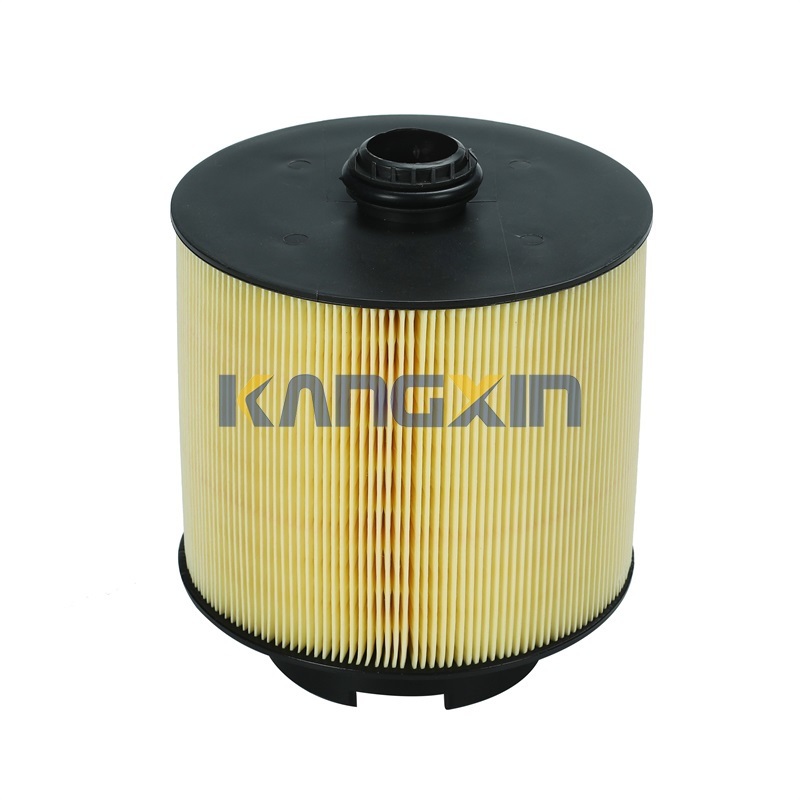
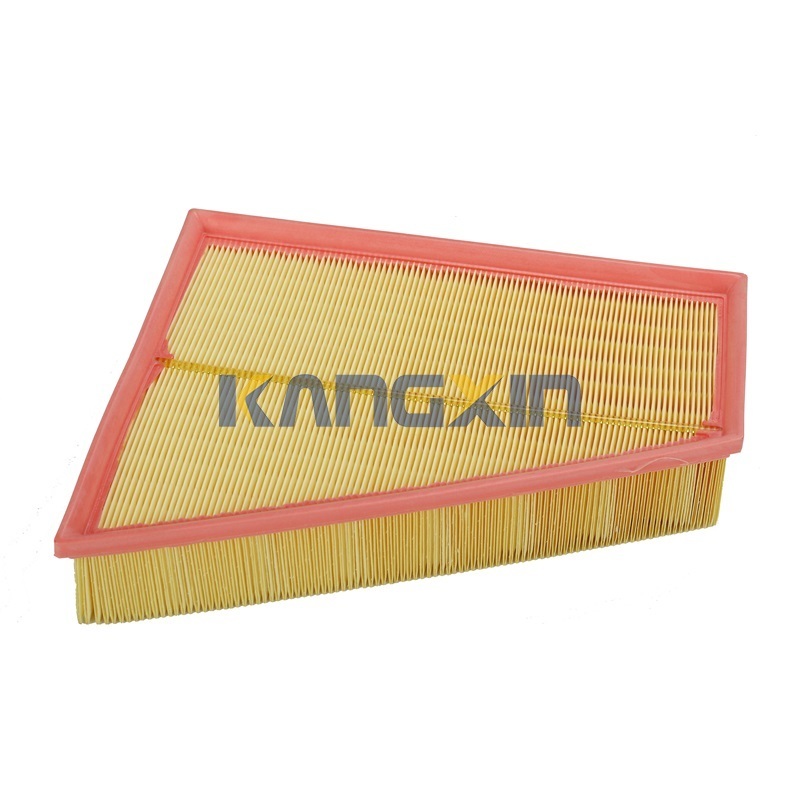
Before we dive into the signs of a dirty cabin air filter, let's first understand what a cabin air filter is. A cabin air filter is a crucial component of your vehicle's ventilation system. It is designed to filter out dust, pollen, and other contaminants from the air that enters your car's interior through the heating, ventilation, and air conditioning (HVAC) system.
**Signs of a Dirty Cabin Air Filter**
1. **Reduced Airflow**: One of the most common signs of a dirty cabin air filter is reduced airflow from the vents. If you notice that the airflow coming from your vents is weaker than usual, it may be a sign that your cabin air filter is clogged with dirt and debris.
2. **Unpleasant Odors**: A dirty cabin air filter can also lead to unpleasant odors inside your vehicle. If you notice musty or moldy smells when you turn on the air conditioning or heating, it could be a sign that your cabin air filter needs to be replaced.
3. **Increased Allergy Symptoms**: If you or your passengers start experiencing allergy symptoms such as sneezing, coughing, or watery eyes when inside the car, it could be due to a dirty cabin air filter. A clogged filter can allow allergens to circulate freely inside the vehicle, triggering allergic reactions.
4. **Poor HVAC Performance**: A dirty cabin air filter can also impact the performance of your HVAC system. If you notice that the air conditioning or heating is not as effective as it used to be, it may be time to check and replace the cabin air filter.
5. **Visible Dirt and Debris**: If you inspect your cabin air filter and notice visible dirt, dust, or debris buildup, it is a clear indication that the filter is dirty and needs to be replaced.
**FAQs**
1. **How often should I replace my cabin air filter?**
- It is recommended to replace your cabin air filter every 12,000 to 15,000 miles or as recommended by your vehicle manufacturer.
2. **Can I clean my cabin air filter instead of replacing it?**
- While some cabin air filters can be cleaned, it is generally recommended to replace them to ensure optimal filtration and air quality.
3. **How can I check if my cabin air filter is dirty?**
- You can visually inspect your cabin air filter for dirt and debris buildup or consult your vehicle's owner's manual for guidance.
4. **Can a dirty cabin air filter affect my vehicle's performance?**
- Yes, a dirty cabin air filter can restrict airflow, leading to reduced HVAC performance and potentially affecting fuel efficiency.
5. **Are there different types of cabin air filters available?**
- Yes, there are different types of cabin air filters, including standard particulate filters and activated carbon filters for odor removal.
**Conclusion**
In conclusion, a dirty cabin air filter can have a significant impact on the air quality and performance of your vehicle's HVAC system. By being aware of the signs of a dirty cabin air filter and replacing it promptly when needed, you can ensure a comfortable and healthy driving experience. Don't ignore these top signs of a dirty cabin air filter and prioritize maintaining your cabin air filter for optimal air quality inside your vehicle.
When it comes to maintaining your vehicle, one often overlooked component is the cabin air filter. However, a dirty cabin air filter can have a significant impact on the air quality inside your car. In this article, we will discuss the top signs of a dirty cabin air filter that you should not ignore.
**What is a Cabin Air Filter?**
Before we dive into the signs of a dirty cabin air filter, let's first understand what a cabin air filter is. A cabin air filter is a crucial component of your vehicle's ventilation system. It is designed to filter out dust, pollen, and other contaminants from the air that enters your car's interior through the heating, ventilation, and air conditioning (HVAC) system.
**Signs of a Dirty Cabin Air Filter**
1. **Reduced Airflow**: One of the most common signs of a dirty cabin air filter is reduced airflow from the vents. If you notice that the airflow coming from your vents is weaker than usual, it may be a sign that your cabin air filter is clogged with dirt and debris.
2. **Unpleasant Odors**: A dirty cabin air filter can also lead to unpleasant odors inside your vehicle. If you notice musty or moldy smells when you turn on the air conditioning or heating, it could be a sign that your cabin air filter needs to be replaced.
3. **Increased Allergy Symptoms**: If you or your passengers start experiencing allergy symptoms such as sneezing, coughing, or watery eyes when inside the car, it could be due to a dirty cabin air filter. A clogged filter can allow allergens to circulate freely inside the vehicle, triggering allergic reactions.
4. **Poor HVAC Performance**: A dirty cabin air filter can also impact the performance of your HVAC system. If you notice that the air conditioning or heating is not as effective as it used to be, it may be time to check and replace the cabin air filter.
5. **Visible Dirt and Debris**: If you inspect your cabin air filter and notice visible dirt, dust, or debris buildup, it is a clear indication that the filter is dirty and needs to be replaced.
**FAQs**
1. **How often should I replace my cabin air filter?**
- It is recommended to replace your cabin air filter every 12,000 to 15,000 miles or as recommended by your vehicle manufacturer.
2. **Can I clean my cabin air filter instead of replacing it?**
- While some cabin air filters can be cleaned, it is generally recommended to replace them to ensure optimal filtration and air quality.
3. **How can I check if my cabin air filter is dirty?**
- You can visually inspect your cabin air filter for dirt and debris buildup or consult your vehicle's owner's manual for guidance.
4. **Can a dirty cabin air filter affect my vehicle's performance?**
- Yes, a dirty cabin air filter can restrict airflow, leading to reduced HVAC performance and potentially affecting fuel efficiency.
5. **Are there different types of cabin air filters available?**
- Yes, there are different types of cabin air filters, including standard particulate filters and activated carbon filters for odor removal.
**Conclusion**
In conclusion, a dirty cabin air filter can have a significant impact on the air quality and performance of your vehicle's HVAC system. By being aware of the signs of a dirty cabin air filter and replacing it promptly when needed, you can ensure a comfortable and healthy driving experience. Don't ignore these top signs of a dirty cabin air filter and prioritize maintaining your cabin air filter for optimal air quality inside your vehicle.
More information

Contact
Inquiry