




Breathing Easy: How Outside Air Filters Improve Indoor Air Quality
Release time:
2024-05-13
Introduction: Understanding the Importance of Indoor Air Quality In today's fast-paced world, we spend the majority of our time indoors, whether at home, at work, or in other enclosed spaces. The air we breathe indoors plays a crucial role in our overall health and well-being. Poor indoor air quality can lead to a wide range of health issues, including respiratory problems, allergies, and even more serious conditions. This is where outside air filters come into play, offering a simple yet effective solution to improving indoor air quality.
Introduction: Understanding the Importance of Indoor Air Quality
In today's fast-paced world, we spend the majority of our time indoors, whether at home, at work, or in other enclosed spaces. The air we breathe indoors plays a crucial role in our overall health and well-being. Poor indoor air quality can lead to a wide range of health issues, including respiratory problems, allergies, and even more serious conditions. This is where outside air filters come into play, offering a simple yet effective solution to improving indoor air quality.
What Are Outside Air Filters?
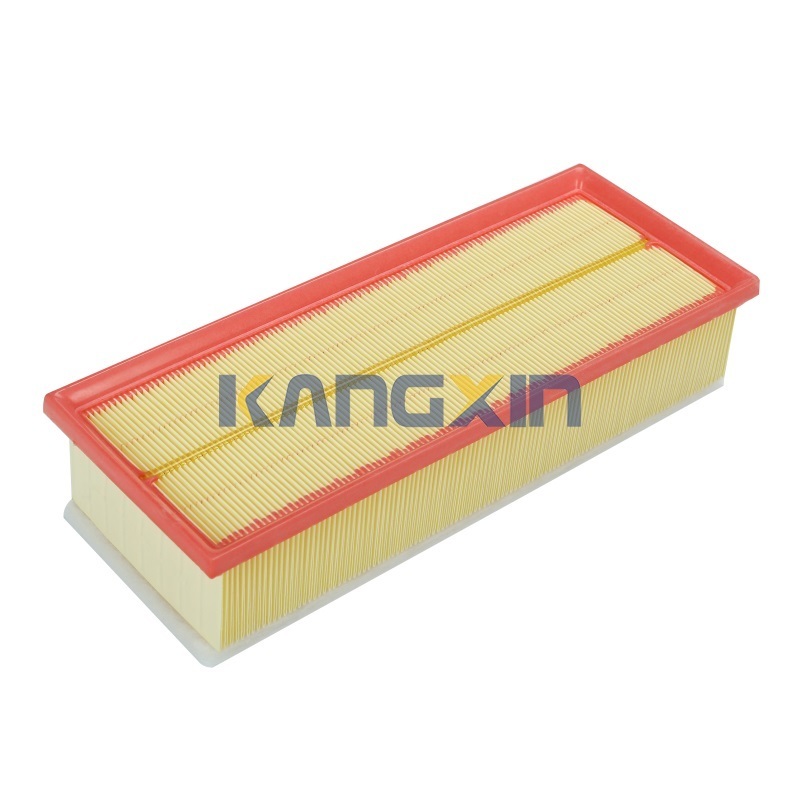
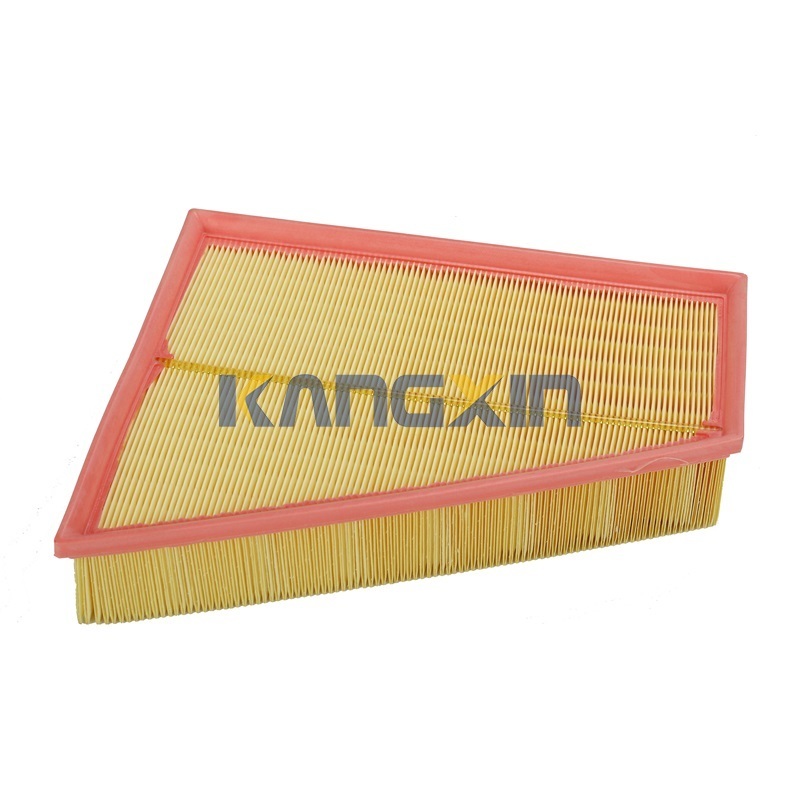
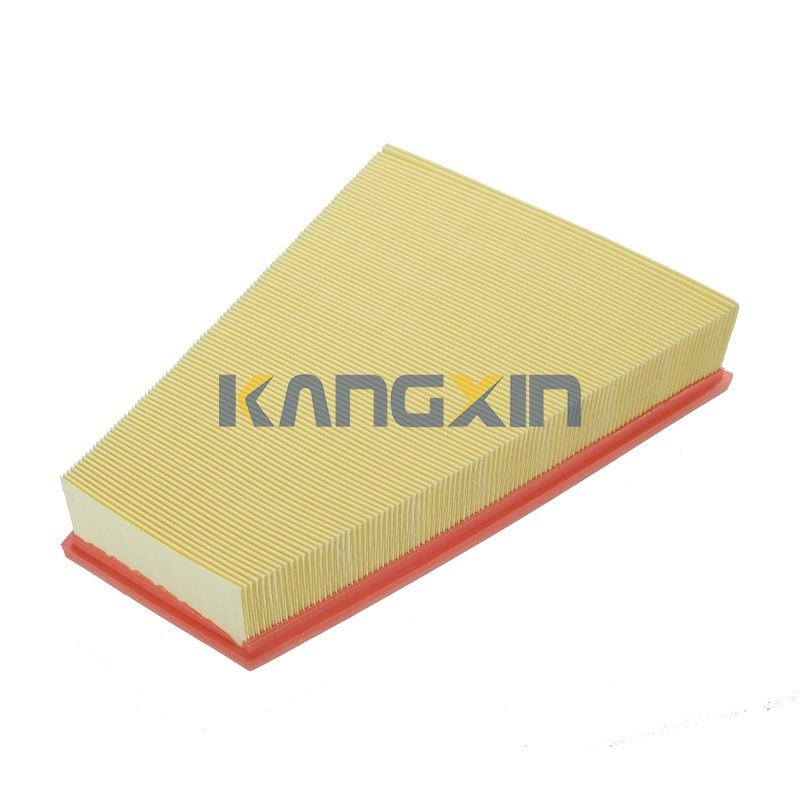
Outside air filters, also known as outdoor air intake filters or fresh air intake filters, are designed to prevent contaminants and pollutants from entering indoor spaces through ventilation systems. These filters are installed at the point where outdoor air is drawn into the building, ensuring that the air entering the indoor environment is clean and free of harmful particles.
How Do Outside Air Filters Work?
Outside air filters work by capturing and trapping airborne particles such as dust, pollen, mold spores, and other pollutants before they can enter the building. This helps to reduce the overall concentration of contaminants in the indoor air, creating a healthier and safer environment for occupants. By filtering out these particles, outside air filters can significantly improve indoor air quality and promote better respiratory health.
Benefits of Using Outside Air Filters
1. Improved Indoor Air Quality: By removing contaminants from the outside air, filters help to maintain clean and healthy indoor air quality.
2. Reduced Allergens: Filters can capture allergens such as pollen and dust, reducing the risk of allergic reactions and respiratory issues.
3. Enhanced Comfort: Clean air can create a more comfortable and pleasant living or working environment for occupants.
4. Increased Energy Efficiency: Filters help to prevent contaminants from clogging ventilation systems, improving energy efficiency and reducing HVAC maintenance costs.
Choosing the Right Outside Air Filter
When selecting an outside air filter for your building, it's essential to consider factors such as filter efficiency, size, and compatibility with existing ventilation systems. High-quality filters with a high MERV (Minimum Efficiency Reporting Value) rating are recommended for optimal performance and air quality improvement. Regular maintenance and replacement of filters are also crucial to ensure continued effectiveness.
In conclusion, outside air filters play a vital role in improving indoor air quality and creating a healthier living environment. By filtering out contaminants and pollutants from the outside air, these filters help to reduce the risk of respiratory issues, allergies, and other health problems. Investing in high-quality outside air filters and maintaining them regularly can lead to significant improvements in indoor air quality, ensuring that you and your loved ones can breathe easy and stay healthy.
Keywords:
More information

Contact
Inquiry