




All You Need to Know About Fuel Air Filters
Release time:
2024-05-26
Fuel air filters play a crucial role in maintaining the performance and longevity of your vehicle's engine. They are designed to prevent harmful contaminants such as dust, dirt, and debris from entering the engine, ensuring that only clean air is used for combustion. By filtering out these particles, fuel air filters help to improve fuel efficiency, reduce emissions, and protect the engine from da
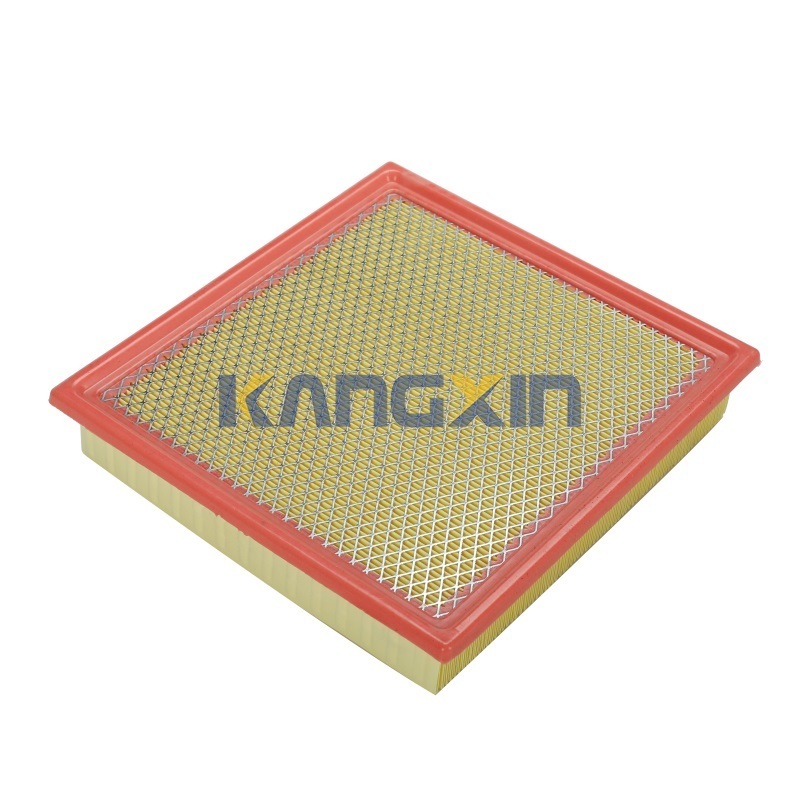
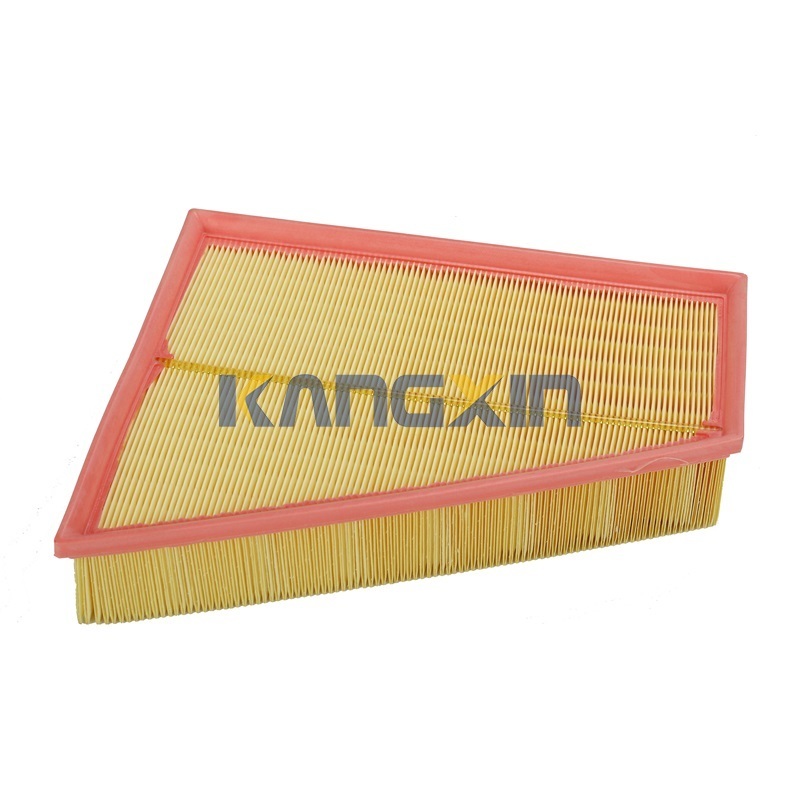
Fuel air filters play a crucial role in maintaining the performance and longevity of your vehicle's engine. They are designed to prevent harmful contaminants such as dust, dirt, and debris from entering the engine, ensuring that only clean air is used for combustion. By filtering out these particles, fuel air filters help to improve fuel efficiency, reduce emissions, and protect the engine from damage.
Regular maintenance of fuel air filters is essential to ensure optimal performance. It is recommended to check and replace the filter according to the manufacturer's guidelines, usually every 12,000 to 15,000 miles. Neglecting to change a clogged or dirty filter can lead to decreased engine efficiency, rough idling, and even engine stalling.
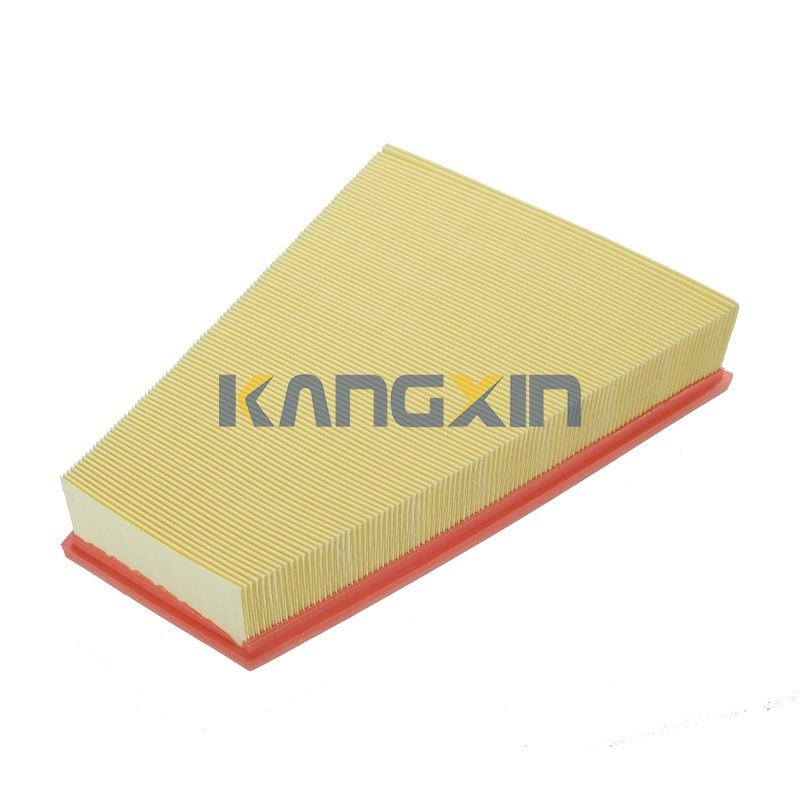
When selecting a fuel air filter for your vehicle, it is important to choose one that meets the manufacturer's specifications and is compatible with your vehicle's make and model. There are various types of fuel air filters available, including paper, foam, and cotton filters, each with its own set of advantages and disadvantages.
In conclusion, fuel air filters are an essential component of your vehicle's engine system, helping to ensure clean air intake and optimal engine performance. By understanding the importance of these filters and maintaining them regularly, you can extend the life of your engine and improve overall vehicle efficiency.
Regular maintenance of fuel air filters is essential to ensure optimal performance. It is recommended to check and replace the filter according to the manufacturer's guidelines, usually every 12,000 to 15,000 miles. Neglecting to change a clogged or dirty filter can lead to decreased engine efficiency, rough idling, and even engine stalling.
When selecting a fuel air filter for your vehicle, it is important to choose one that meets the manufacturer's specifications and is compatible with your vehicle's make and model. There are various types of fuel air filters available, including paper, foam, and cotton filters, each with its own set of advantages and disadvantages.
In conclusion, fuel air filters are an essential component of your vehicle's engine system, helping to ensure clean air intake and optimal engine performance. By understanding the importance of these filters and maintaining them regularly, you can extend the life of your engine and improve overall vehicle efficiency.
Keywords:
More information

Contact
Inquiry