




The Ultimate Guide to Choosing the Right Outside Air Filter for Your Facility
Release time:
2024-05-15
When it comes to maintaining a clean and healthy environment in your industrial facility, choosing the right outside air filter is essential. With so many options available in the market, it can be overwhelming to make the best choice for your specific needs. In this ultimate guide, we will walk you through everything you need to know to select the perfect outside air filter for your facility.
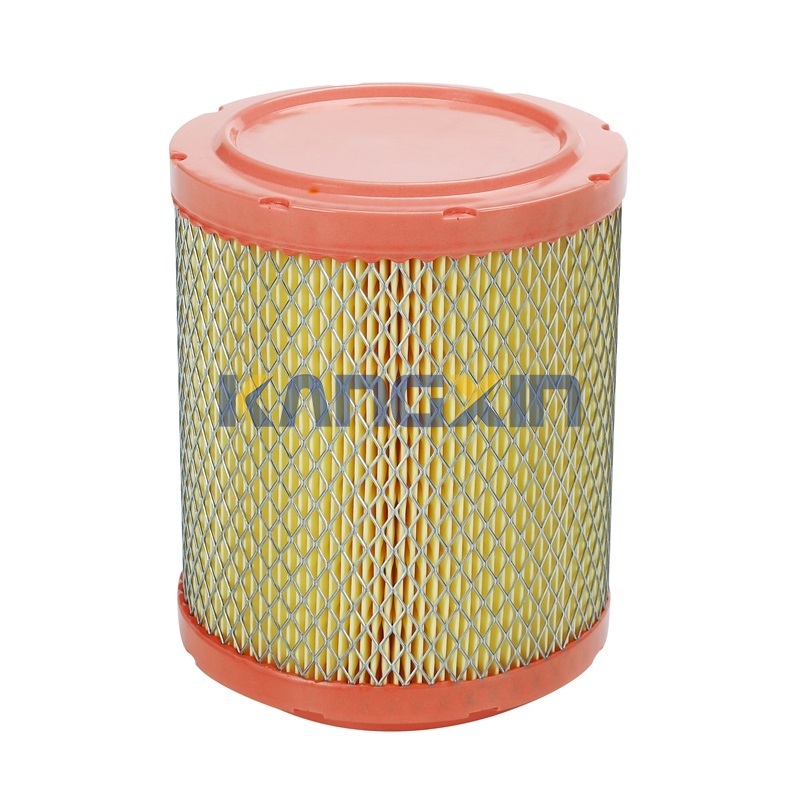
When it comes to maintaining a clean and healthy environment in your industrial facility, choosing the right outside air filter is essential. With so many options available in the market, it can be overwhelming to make the best choice for your specific needs. In this ultimate guide, we will walk you through everything you need to know to select the perfect outside air filter for your facility.
Understanding the Importance of Outside Air Filters
Outside air filters play a crucial role in ensuring the air quality in your facility remains clean and free from contaminants. They help trap dust, dirt, pollen, and other particles that can be harmful to your employees and equipment. By investing in high-quality outside air filters, you can improve the overall air quality and create a safer working environment for everyone.
Factors to Consider When Choosing an Outside Air Filter
1. Type of Contaminants: Consider the type of contaminants present in your facility's surroundings, such as pollen, dust, or industrial emissions.
2. Efficiency Rating: Look for filters with high efficiency ratings to ensure they can effectively capture small particles.
3. Size and Dimensions: Measure the dimensions of your HVAC system to ensure the filter fits properly.
4. Filter MERV Rating: Check the Minimum Efficiency Reporting Value (MERV) rating to determine the filter's ability to capture particles.
Types of Outside Air Filters
1. Fiberglass Filters: Affordable and disposable, fiberglass filters are suitable for capturing larger particles but may not be as effective for smaller contaminants.
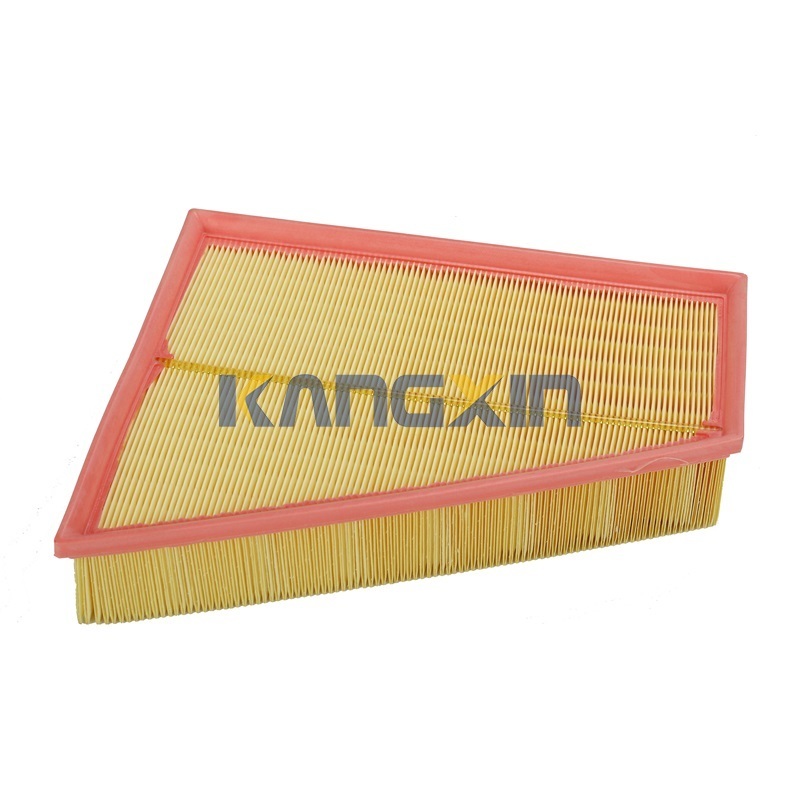
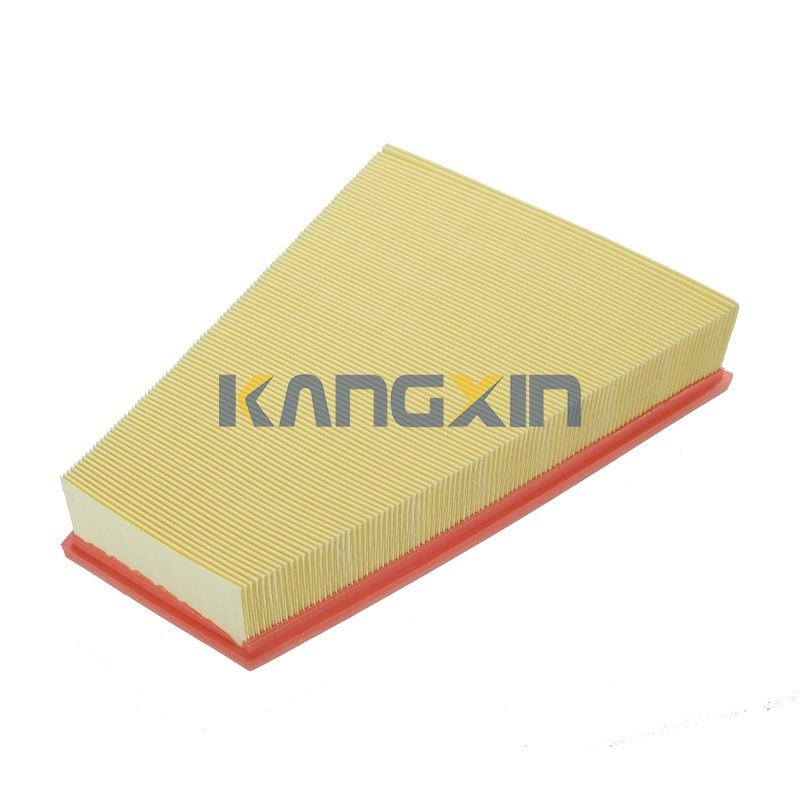
2. Pleated Filters: These filters offer a higher surface area for capturing particles and have a longer lifespan than fiberglass filters.
3. HEPA Filters: High-Efficiency Particulate Air (HEPA) filters are capable of capturing 99.97% of particles as small as 0.3 microns.
Expert Tips for Optimal Performance
1. Regular Maintenance: Make sure to replace your outside air filter regularly to ensure optimal performance.
2. Airflow Monitoring: Keep an eye on the airflow in your facility to detect any issues with the filter.
3. Consult with Professionals: If you're unsure about which filter to choose, consult with HVAC professionals for expert advice.
FAQs
1. How often should I replace my outside air filter?
- It is recommended to replace your outside air filter every 1-3 months, depending on the level of contaminants in your facility.
2. Can I clean and reuse my outside air filter?
- While some filters are washable and reusable, most outside air filters are designed for one-time use and should be replaced regularly.
3. What is the difference between MERV and HEPA ratings?
- MERV ratings indicate the efficiency of a filter in capturing particles, while HEPA filters have a higher standard of capturing smaller particles.
4. How do I know if my outside air filter needs to be replaced?
- Look for signs of clogging, reduced airflow, or visible dirt on the filter as indicators that it needs to be replaced.
Conclusion
Choosing the right outside air filter for your facility is crucial for maintaining a clean and healthy environment. By considering factors such as the type of contaminants, filter efficiency, and regular maintenance, you can ensure optimal performance and improved air quality in your industrial facility. Follow our expert tips and recommendations to make the best choice for your specific needs.
Keywords:
More information

Contact
Inquiry